Rosie Corriette

Notes from a retired blogger

Category: Uncategorized

  • Why I Won’t De-Friend Someone Because Of Their Political View | General Election

    Why I Won’t De-Friend Someone Because Of Their Political View | General Election

    I originally wrote this post back in 2017 but as today marks yet another General Election it’s important now more than ever as our country is divided and fractious beyond comprehension that we are reminded of the importance of not creating an opinion vacuum when it comes to politics. The internet was heralded as a widener of our world; yet too often we are quick to narrow our outlook and conversations, blocking those who disagree with us. Rant, rave, insult –  there is almost nothing you can say personally to me or about me that will have me de-friending…

    Election fever (I’m thinking more scarlet than one of passion) is sweeping the UK once more as we prepare to go to the ballot for the snap general election of 2017. You all know how I feel about Brexit and that it doesn’t take a genius to work out that I won’t be voting for the Conservatives, however I couldn’t be more encouraged to see people shaping and sharing their own political views online on social media and that’s why I won’t de-friend someone because of their political view.

    I would rather be friends with people that hold polar political views to me than those who are apathetic when it comes to politics. Does that mean that I disagree with people’s viewpoints any less – absolutely not; however with rights come responsibilities (gosh I sound like my mother) and that means that whilst we are all afforded the right of freedom of expression that doesn’t excuse us from the responsibility of ensuring our views expressed both in person and within a digital setting are respectful and within the law.

    Healthy debate is good, what’s not good is when it crosses the line into bullying – there have been too many cases of people feeling singled out for their political view just because it differs from someone they are friends with on social media. I use the term ‘friend’ with trepidation because as the digital landscape continues to grow in terms of use and prevalence in our life we are friends with less and connected to more. By opening doors digitally are we closing them socially in terms of political tolerance?

    General-Election-2017

    I’ve also noticed a worrying trend to call people out online for being politically vocal in a ‘here they come again, spouting their political beliefs…’ manner or those that are negatively labelled for their beliefs and public statements. I’m often called a Remoaner simply for still shaking my head at Brexit – and this works both ways, it’s not just one side attacking the other. When you look at this abstractly without emotion it’s hard not to laugh at the ludicrousness of it all. Individuals are singling out and attacking others for holding different political views when one of the biggest elephants in the room of contemporary politics is the seemingly acceptable notion that politics isn’t for everyone. Even at its highest in recent years, voter turnout is still a statistic of shame for the UK, how can we berate those that voice interest in politics when they are at least engaging in an aspect of our society that affects all of us every single day.

    So whilst over the coming weeks, I may pull a ‘what the…’ face when I read your Facebook post, or RT of a political party or even when after a comment exchange that becomes heated because I cannot abide your political principles I will not narrow my exposure to other views by de-friending you because to do that would start a slow but fatal descent into discouraging political engagement and debate. Yes, I may disagree with you but I will never hate you.

    Oh and for goodness sake, don’t forget to vote – I really don’t care which political party gets your cross in the box, as long as you vote. It takes five minutes to register…

  • Enjoy Every Step Of Pregnancy, And Stay Healthy!

    Enjoy Every Step Of Pregnancy, And Stay Healthy!

    Pregnancy can be understood as a passive period until the baby is born. It feels like nothing more than resting and waiting. But you should know that your health and your wellbeing are the most important factors during this time. In this article, we will focus on how to improve your lifestyle and tips that will help you feel more prepared. It’s a way to “program” your health forever, not just during pregnancy. Taking each step of pregnancy as it comes is not easy, there are twists and turns, but ultimately the end goal is your beautiful baby. It’s lovely to document things as you go along. Journaling is one fantastic way; another is to photograph the occasion. You could look at a lifestyle maternity photographer too to help you capture the beauty along the road. Here are some other tips to help keep your mood boosted during those magical and turbulent nine months!

    Photo-by-Josh-Bean-on-Unsplash

    Get physical, but not too much!


    Performing physical activities during pregnancy can provide excellent results, such as improving your mood, helping to reduce pain, and even promoting sleep. Exercise strengthens the muscles, essential for preparing for childbirth. In this way, having an exercise routine for pregnant women is the best option, although always after consulting with the specialist.


    1. Going for a walk every day is the ideal exercise for any pregnant woman. It is a complete activity regardless of the degree of previous physical activity of the pregnant woman. Of course, it is important to start gradually depending on the starting activity of each woman.
    2. Swimming or water gymnastics are low-impact activities and are very comfortable for the pregnant woman due to the buoyancy of the water. For this reason, they are highly recommended, especially in the last trimester.
    3. Yoga or Pilates are highly recommended exercises to prepare the pregnant woman’s body as they combine gentle movements with breathing exercises, therefore helping to improve elasticity, strength and the ability to relax.
    4. If you are a pregnant runner, you will have to consult with your doctor to assess your physical condition and your pregnancy. If they give you the go-ahead, follow his instructions, and you can keep going for a run as long as they recommend it.

    Eliminate discomfort

    At bedtime, it is necessary for our body to feel safe. Therefore, it is essential to control the environment where you rest so that your sleep has as few complications as possible. For example, use a mosquito net to avoid interruptions at night and risk of illness. Control the temperature; the ideal is that it is comfortable, either through air conditioning, fan or windows. Bundle up properly with duvets in cold places. And try to eliminate noise as much as possible. Many small details can disturb your sleep at night, but each annoyance that you manage to eliminate is one step closer to your ideal rest.

    Emotional health during pregnancy: how to avoid stress

    Stress and anxiety are one of the most common problems that any woman can suffer during pregnancy, especially if they are new mothers. For this reason, special attention must be paid to the emotional health of the mother to prevent stress from causing negative consequences for her or the baby. If the mother’s stress is prolonged over time, it could cause some complications such as high blood pressure or insomnia, as well as low birth weight or premature delivery. Finding methods that help minimize stress in the pregnant woman is essential for her to live the pregnancy in a serene, healthy and happy way. Getting adequate rest at least 8 hours, eating a good diet and resorting to relaxation techniques are healthy lifestyle habits that help combat stress.

    Get a more effective diet. 

    During pregnancy, the uterus increases considerably in size, which will cause significant pressure on the rectum that will decrease intestinal motility. If you add more fibre to your diet and increase your water consumption, you can assist your problems. Certain supplements can also assist, such as iron supplements, but anything that you decide to take must be run past your general practitioner first. 


    Please do not wait to suffer with digestive issues, as your baby needs sthe food as much as you do. So start right now, prevention is the first measure we must take to keep a healthy diet during pregnancy:


    • Drink lots of water. It is the specific advice that we rarely heed. It is cheap and straightforward, but we forget it. Set a goal, a litre and a half bottle of water and a small one of half a litre. That will be the minimum amount of water that you should consume in your day. This way, you will know how many babies are, and you will guarantee a correct contribution.
    • Let’s bet on whole grains. Substitute refined products such as flour, rice, pasta, bread for whole grains.
    • Legumes at least three days a week. They admit many preparations, in a stew, cooked, salads, take your imagination. It is a complete dish and very affordable to the pocket.
    • Fresh fruit whenever you’re a little hungry. It will also help you satisfy your appetite, even for a little while.
    • Incorporate nuts into your routine, better without salt.
    • Forget fatty foods, such as cheeses, butter.
    • If your doctor doesn’t advise against it, try doing some exercise. You know, Pilates or yoga are very beneficial because they will also help you to strengthen the pelvic floor. But the walks cannot be missed. Physical exercise will help you improve intestinal motility.


    Pregnancy is a beautiful time, but it is known that it comes with some difficulties too. You should always seek out the help of your medical professional team if you feel any anxiety or fear during your pregnancy. Nobody said it would be smooth running, but it will undoubtedly be worth it in the end. Take time to write down your thoughts, capture the beautiful moments, change your lifestyle to make things easier and create the most incredible start to your motherhood.

    Disclosure: This is a collaborative post.


  • 5 Energy-Saving Tips to Vacation Proof Your Home

    5 Energy-Saving Tips to Vacation Proof Your Home

    Are you heading out of town on vacation? Not just a short weekend away from home but a true vacation where you’ll be gone one week, two weeks, or even more?

    What if you could save money while you’re away? Wouldn’t that make your vacation even better?

    Planning time away is half the fun. You check out guidebooks, create a calendar of things to do, buy tickets, and download maps. You purchase new items to wear or invest in new luggage to ensure it all arrives safely at your final destination.

    But outside of turning out the lights on the way out the door, have you ever thought about what you leave behind? Is your house operating the way it always does? Or have you implemented vacation energy-saving tips that will truly help you save money?

    While the primary reason to get your house ready before you leave is for safety—an empty home is an easy target—you can also take a few steps to reduce energy usage while you’re away.

    person holding light bulb

    Start Inside Your Home

    The last thing you want to walk into after a relaxing vacation is a disaster. Especially if “life” starts in again the next morning, and you’ll be off and running to work, school, and non-stop commitments.

    Instead of rushing out the door on the way to catch an aeroplane, spend a little time preparing your home for your return.

    While you don’t have to scour every room and ensure it’s the cleanest it’s ever been, you also shouldn’t leave it a mess. Dishes in the sink, laundry stacked in the corner, and overflowing rubbish can make the house smell. And it can suck the energy out of you to see (and smell) it the moment you walk through the door.

    With everyone away from your home for a few days, there’s no reason to leave your home in the same state as when you’re in and out all day long. Your home has a long list of “energy vampires,” appliances that continue to draw energy even when they aren’t in use.

    According to the US Department of Energy, if an appliance is continuously taking in 1 watt of electrical current at all times, that can add an additional $1 to your overall energy costs per year. While that may not seem like a lot, add up how many items you keep plugged in, whether in use or not. The average household can save $100 to $200 a year by merely unplugging.

    One of the best vacation energy-saving tips is to simply walk around your home, make subtle changes, and unplug nonessential appliances and electronics. A refrigerator is essential; a coffeepot is not. Look for hairdryers, digital clocks, cell phone chargers, lamps, entertainment units, blenders, and more. Not only will this save energy, but it will also eliminate the potential of having these items destroyed in the event of a power surge.

    Pay Attention to Your Heating and Cooling System

    If your home is controlled by a programmable thermostat, the temperature automatically changes throughout the day, depending on your schedule. If you’ve upgraded to a more sophisticated thermostat, check to see if it comes with a vacation mode. If not, spend a few minutes keying in new temperature guidelines for while you’re away. If you don’t have a programmable thermostat and would like to upgrade, you can contact a reputable HVAC company, such as Entek, to discuss your options.

    Even just a few degrees can help you save a lot. The longer you’ll be away, the more change you should consider making to how warm or cool you’ll keep your house.

    If the temperatures are scheduled to be mild, you can consider turning off your HVAC system completely. Even in the summer and winter months, you can adjust the temperature quite a bit without problems. Use the “auto” setting instead of “on” to ensure the HVAC system only operates when it truly needs to turn on.

    Unless you have pets, consider raising the thermostat setting to 85 degrees in the summer. This will ensure the air conditioner only turns on during the hottest of days. The winter temperatures are a little trickier. You don’t want your appliances or pipes to freeze. A temperature of 50 degrees will keep your home warm enough to prevent damage yet be low enough to ensure you don’t pay more than necessary for the energy your home uses.

    Also, lower the blinds and shades to further insulate your home against temperature changes. This simple act will keep the heat out of your home during the summer and prevent cold air from seeping in during the coldest months of the year. This will also make it harder for potential criminals to peek in and see what’s inside.

    Pay Attention to the Lights Too

    A dark house is ripe for criminal opportunity. Yet vacation energy-saving tips dictate that using lights while you’re away will cost you money. Which direction is best?

    In this case, error on the side of keeping your property safe. However, there are ways to go about it that can save energy too.

    Have you changed all of your light fixtures to LED? This change alone can save you money each year. We suggest replacing all of your lights with these new and improved fixtures, including your recessed lighting and ceiling fans.

    While it’s not important to keep every light in your home on, select a few to plug into automatic timers to give the impression someone is inside. You should do that in the common areas of your home, like living spaces or the kitchen. You might even have a light in a bedroom go on and off at bedtime. And don’t forget about porch lights. Whether you choose timer functions or motion detectors, spilling a little light on a dark night can keep unwanted things away.

    Water Can Be Devastating

    Do you still have a tank water heater? Take action in two ways.

    First, ensure that the area around it isn’t cold enough to freeze the pipes. Nothing is more devastating than having a water heater break and several inches of water left standing in your home for days or weeks.

    Second, turn your water heater down in temperature. Tank water heaters are designed to hold water at a specific temperature. If you aren’t home to use the heated water, why keep it at your desired temperature? Just turn it up again once you return home, and you’ll have warm water in a short time.

    End with a Walk Around the Outside of Your Home

    A final walk around your home can get rid of potential hazards while you’re away. Disconnect garden hoses, especially if the temperatures may drop and freezing may occur. Unplug any outside gardening tools that you may have unintentionally left in the yard. Ensure the area around your air conditioner is clear and won’t impact the functionality of the system.

    You might also have a neighbour keep an eye on your place, just in case something changes. A quick phone call can stop the bad from turning worse. It can be the difference in coming home to a place that’s as you left it, instead of a nightmare you’ll be dealing with for weeks.

    Do you have any other vacation energy-saving tips you use before you leave?


    Disclosure: This is a Collaborative post.

  • Foster Care In The UK | Compass Fostering

    Foster Care In The UK | Compass Fostering

    *This is a paid collaboration*

    If I say the words foster care what are the first thoughts that come into your head? Foster care is one of those societal topics that unless it directly affects you it can be absent from your life and in turn your awareness. Apart from knowing it can be either a short or long term arrangement (often required in an emergency) that’s where my knowledge ends.

    Compass Fostering – one of the UK’s leading foster care companies who work to find truly supportive and loving homes when they’re needed most for children and young people commissioned research with both foster carers and the wider public to discover more about fostering and the attitudes/preconceptions people may have about fostering as a whole. 

    My first learning curve was that there are over 53,000 children and young people in foster care – that’s a staggering number and one that is seriously underestimated by 77% surveyed. Go back and read that number again: 53,000.

    Compass Fostering

    The decision to foster is one that isn’t taken lightly, requiring great commitment and the research showed that almost half of active foster parents have given homes to more than five foster children, while 22% of foster parents have cared for more than 10 different youngsters.

    Compass Fostering

    Opening up families through fostering is one that takes key skills. The survey also found that public surveyed also identified qualities needed to have in order to care for vulnerable children and young people: patience, kindness, empathy, resilience, motivated. The skills required to be a foster carer are monumental and the decision to become one is not to be taken lightly and I imagine not always easy but the reward of being part of a child or young person’s journey must be one of great pride and reward.

    I’ve spoken before about actively not wanting to have more children and how the constant questioning about ‘just having one child’ is tiresome, inconsiderate and intrusive – people often ask what happens if later on, I want a child; I’ve given this thought and I’d seriously consider how to expand our family through fostering and/or adoption. 

    Our concept of families has been transformed over the years to mean so much more than just a mother, father and children born biologically within that unit. The growth of what family has come to encompass can only increase our capacity for love. Fostering can be an important and loving component of how a modern-day family unit looks.

    To find out more about fostering, including the allowance, benefits and support available to carers, visit Compass Fostering.

    Compass Fostering

  • What To Consider When Buying Your First Family Home

    What To Consider When Buying Your First Family Home

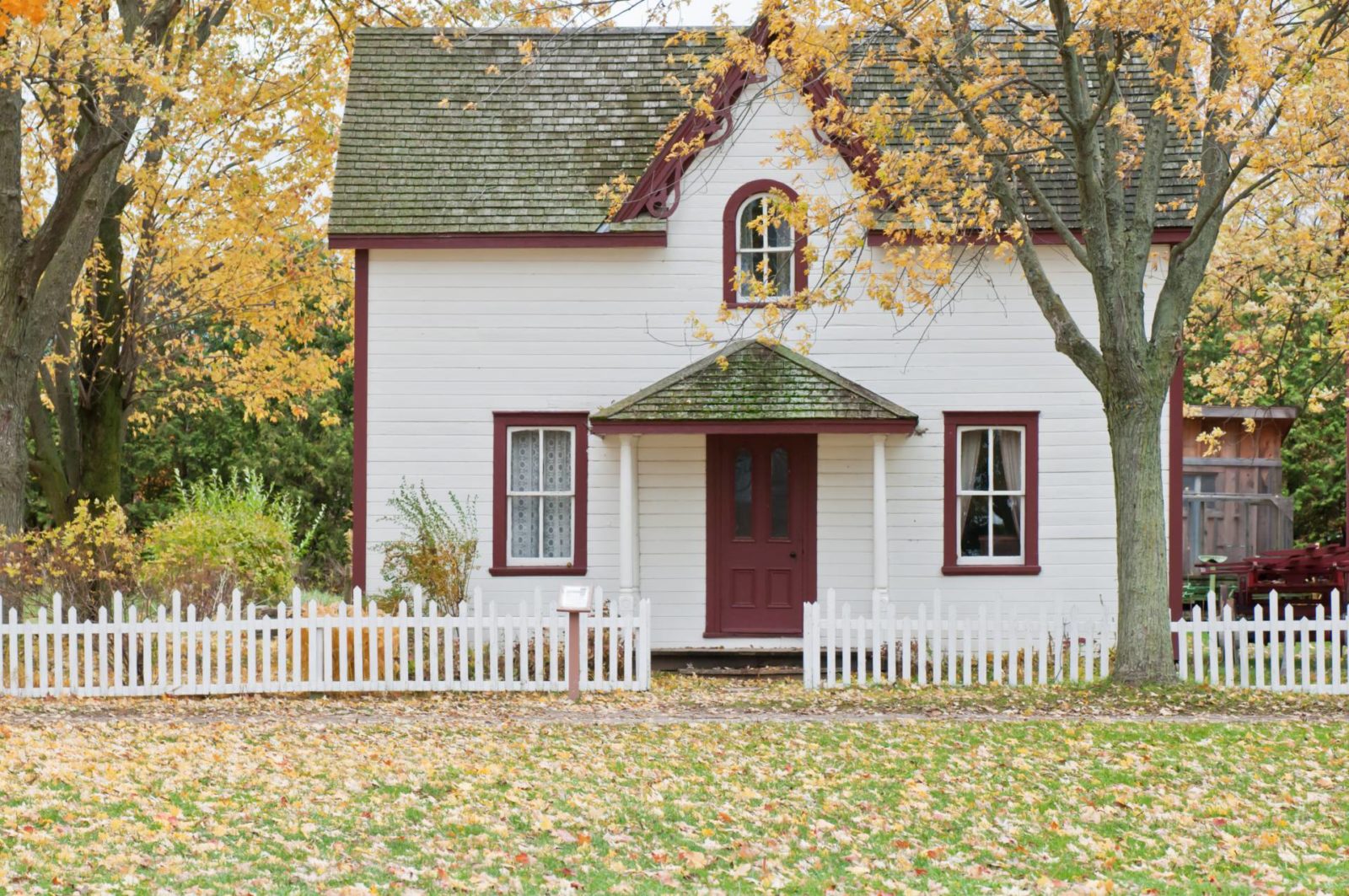
    Buying a family home is an exciting time in anyone’s life. That is especially true for mums who will want to make sure they find a perfect place for their children to grow up in. Finding somewhere that is safe, inspiring and fun is a key consideration for any mother wanting to set up a family home. With so many different things to factor in, you may want to bear the below advice in mind to help find your dream home:

    Photo by Scott Webb on Unsplash

    Location, location!
    The first point to consider is whether you want a home in the country, suburbs or city center? That is a purely personal choice based on what you prefer as a parent as well as what you think will provide the best environment for your child to grow up in. Once you have decided on a general location, you then need to drill down into specific areas. Naturally you will want an area that is well maintained by the local authority, safe and with friendly locals.

    Think about the practicalities too
    This tip is one that can be hard to follow for us Mum’s at times! Once you have fallen in love with a place, it can be hard to look past that at everything else you need to think about. The ideal family home is one that will work for your whole brood on every level. Is it close enough to work for anyone who needs to travel there each day? Can you easily get out to near-by parks and playgrounds with the kids at the weekend? Are there decent schools close by for the kids to go to? These types of questions need answering before you part with any money.

    Plan your finances
    Of course, one essential thing to sort out when buying your families dream home is the financial side. This starts with setting a realistic buying budget for the houses you will look at but also includes thinking about your monthly outgoings after moving in.

    It’s also a good idea to look at any incidental costs that you might incur in the first few months after the move and see if you’re able to set aside a contingency budget.

    Another area that often gets overlooked when it comes to finances and moving home is moving day itself -a packing service for moving house is one of those things that I would really recommend, it takes all the stress out of the move (or helps to reduce it as much as possible!) heloing you to concentrate on any paperwork that needs completing on the day and helping the children to feel as settled as possible.

    Buying your first home is fun
    Although there is a lot to think about when buying your very first home including getting the kids settled into the new environment, you must remember that it should be fun. By taking the above into account when choosing which home to buy, you will ensure that stress is kept out of the process and your whole family will love it as much as you do when you all move in.

    Disclosure: This is a collaborative post.