Rosie Corriette

Notes from a retired blogger

Category: Uncategorized

  • Why It Pays To Do Your Research When It Comes to TVs

    Why It Pays To Do Your Research When It Comes to TVs

    If you’re a follower of mine on Instagram (if not, click here to follow me) and you watch my IG stories you’ll know that a few months ago my tv broke; not a massive drama… until I realised I needed to venture out into the world of tv shopping to buy one. Buying a TV is one of those tasks that I absolutely hate – it’s the one time when I feel at a disadvantage for being single woman. It’s as if the sales assistants think they know what I want and don’t listen to me.

    Photo by Sven Scheuermeier on Unsplash

    One sales assistant (if you watched my IG stories, you’ll know what store it was) beckoned over a man and  asked if we were together as the thought of a woman looking to buy a tv on her own was obviously far too out there a concept for him to contemplate. Once we’d overcome that monumentally sexist thought I explained what I was looking for in a tv: 43-49 inch, HDR, built in smart app capability – all pretty standard stuff. The assistant then proceeded to show me tvs based on their frame colour… speechless. Needless to say that I didn’t buy a tv from them.

    Determined to come home with a tv that day – there’s only so long you can watch TV on your old 22inch tv/dvd combo saved from your uni days! I decided to not head to the next store straight away but to grab a coffee and do some last minute research. Comparing models online at sites such as Latest Deals is a great way to help you narrow down your search and ensure you get the best price online. After less than ten minutes researching I knew that ultimately I wasn’t going to mount the tv on the wall and a 49inch model was going to be perfect. Browsing online also cemented what I was prepared to pay and gave me a better idea of what was and wasn’t a good deal. The next store I went in I felt focused and gave the sales assistant (who I must add was a million times better than the previous store) a shopping list if you like of all the features I wanted and asked him to show me only those matching all requirements.

    Twenty minutes later I was the proud owner of brand new tv that ticked all the boxes and the only dilemma I faced was how I was going to get it home… oh and could I remember my Netflix password to link up. See it’s easy when you’re prepared…


    Disclosure: This is a collaborative post.

  • High-Quality Biocompatible Materials used for Dental  Implants

    High-Quality Biocompatible Materials used for Dental Implants

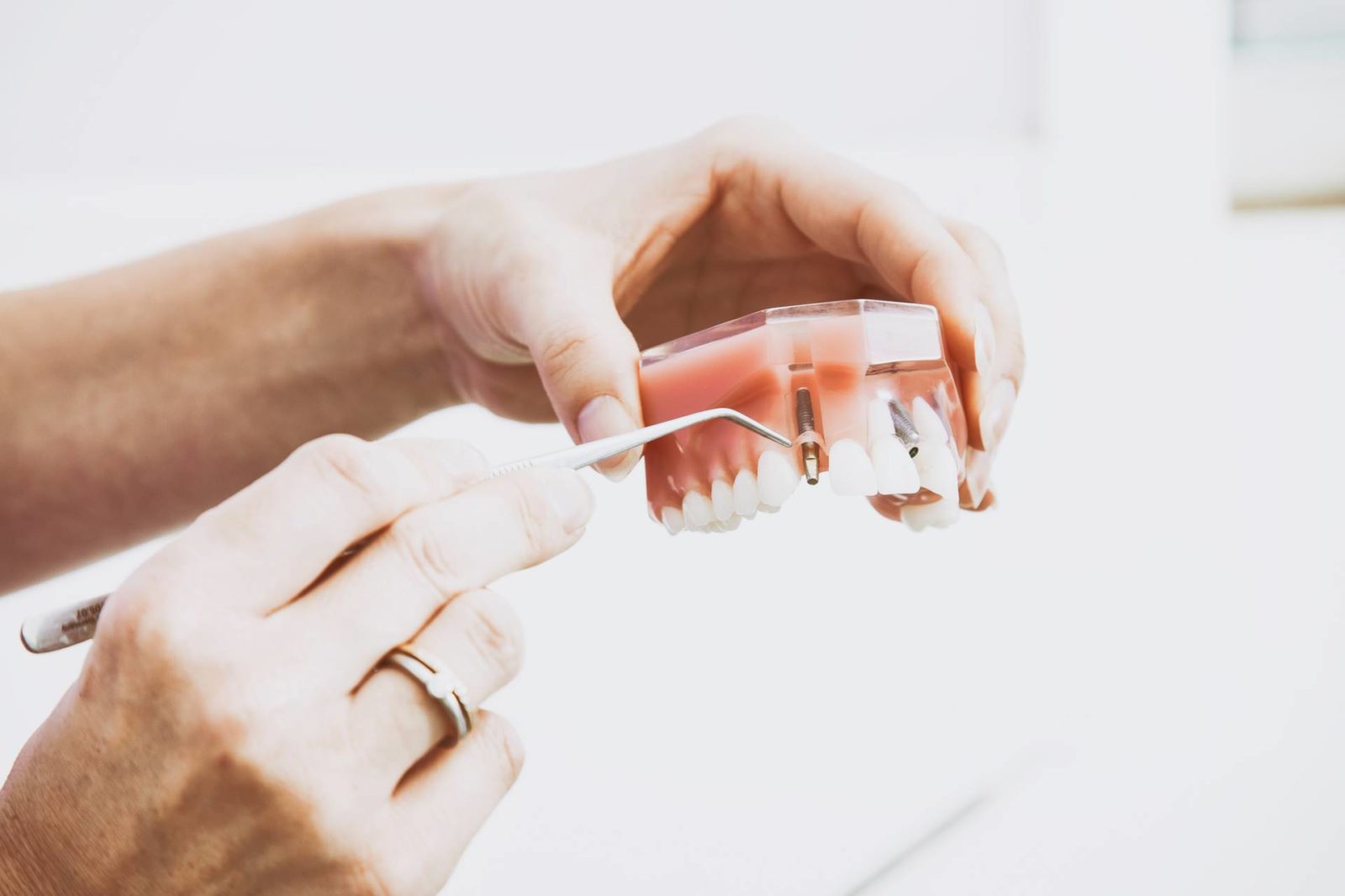
    Dental implants are an innovative way to replace teeth that have substantial damage with root involvement. This damage may be accident related or caused by poor oral hygiene with tooth decay. One advantage of dental implants is their permanence and durability. When implants are used to replace several teeth, this gives your remaining teeth a more solid foundation with a more natural looking jawline.


    The teeth are designed to match your natural teeth, giving you a greatly improved appearance. Other advantages of dental implants include improved speaking quality. Conventional dentures may slip or feel awkward and affect the sound of speech. Likewise, dental implants that fit like real teeth can make eating easier and more pleasant.


    Improved oral health is another potential advantage to dental implants. People who had poor dental health, even as a contributing factor in tooth loss, can achieve better results due to more efficient flossing. Getting between the teeth will be easier and allow for the eradication of bacteria at the gumline.


    The presence of dental implants arrests bone cell absorption caused by a tooth and its root being extracted. When the empty space remains unfilled, the body starts reabsorbing the unused bone material. This can cause deterioration of the jaw that can change facial appearance.

    WHO IS A GOOD CANDIDATE FOR DENTAL IMPLANTS


    Generally, dental implants are a good option for anyone who has lost teeth for any reason. There are, however, certain circumstances that might decrease your chances of success with implants. Be sure to let your dentist know if you have diabetes that is not well controlled, as this can be a contraindication to successful implantation. Smoking can potentially contribute to dental implant failure, as can mouth cancer or radiation to the jaw area.


    A commitment to good oral hygiene habits after dental implantation is a must, as bacterial infections in the gums can lead to failure of the implant. It should be understood that starting or resuming smoking will also increase the likelihood of complications or failure of the implants to merge with the bony structures, and may lead to repeat procedures or expensive treatments for correction.


    Bruxism (teeth grinding) is another condition that can jeopardize the long-term success of dental implants. A person who grinds his/her teeth in their sleep can loosen or bend an abutment or cause breakage that will require professional correction. If you have bruxism and dental implants, you will need to wear a corrective device during sleep to immobilize the jaw and prevent damage.


    WHAT ARE BIOCOMPATIBLE MATERIALS FOR DENTAL IMPLANTS


    Titanium Dental Implants

    All implanted tooth replacements consist of three parts. There is the screw, which is the part that is inserted into the bony jaw structure, the abutment which attaches to the screw above the gum line, and the crown, which is the actual tooth replacement. For decades, all implants were made of a metal called titanium, and were successful in about 95 percent of patients who received them.


    Titanium implants were initially made of pure titanium but began to be often mixed with small amounts of other metals, including gold and nickel. In a study of 1500 dental implant patients, a small percentage did display symptoms of allergic reactions to titanium. A research paper compiled in 2010 documented that the incidence of allergies to titanium implants was higher in patients who had allergies to other metals. Nickel is believed to be a common source of allergic reactions to dental implants.


    When considering titanium dental implants, it is crucial that you have allergy testing done to identify potential reactivity and avoid implant failure. It is important to understand that as metals begin to corrode, they dispense minuscule particles that turn into ions. These ions attach themselves to proteins in all parts of the body and cause symptoms such as skin rashes, pain deep in the muscles, or pervasive fatigue.


    The above symptoms suggest that the body’s immune system is under attack, and often the body will respond to this foreign object as it would to a virus, by attacking and trying to destroy it. The attack can trigger a ripple effect that will lead to an autoimmune disease such as lupus, chronic fatigue syndrome, psoriasis or scleroderma, Guillain-Barre syndrome, type 1 diabetes or Hashimoto’s thyroiditis.


    Ceramic Dental Implants

    We are fortunate to have an alternative to metal implants which offers multiple advantages. Although titanium implants have been biocompatible for a majority of users, ceramic implants are inert and present virtually no risk of allergic reaction. Ceramic materials such as zirconium are super strong and nearly unbreakable. Knee and hip joint replacements have used ceramic prosthetics for decades, and the substance even stands up to NASA engineering standards.


    Ceramic implants eliminate the risk of corrosion or galvanizing effect that is not uncommon with metal implants. There will not be a problem with metallic aftertaste or an unsightly gray line developing on the gum line. With metal implants, there may be interference with electronic devices such as computers, but this problem does not exist when ceramic materials are used.


    Perhaps the greatest benefit to ceramic implants is that they are so completely biocompatible that gum tissue will grow up to and around the abutment, thus eliminating the development of receding gums, which is often a problem with metal implants. In about four to six months following the ceramic implant procedure, the bone will most likely have grown up to the implant surface, allowing the implant to be fastened in place by bone tissue.

    Photo by Peter Kasprzyk on Unsplash 

    All these amazing benefits make ceramic (zirconium) implants the best, strongest and most durable choice for natural tooth replacement.


    ABOUT THE DOCTOR


    If you are interested in a free consultation for dental implants, contact Dr. Marissa Crandall Cruztoday at the website: www.kopperio.com. Dr. Cruz is a member of the American Dental Association and a Diplomate of the International Congress of Oral Implantologists. She offers specialized care in periodontal therapy and plastic surgery. Periodontal and bone regeneration therapy are also her areas of expertise at the King of Prussia Periodontics & Dental Implants.

  • You Family Will Love This Holiday Idea

    Are your family itching to get on holiday. Well…are you itching to get on holiday? If you’ve had a stressful year where you feel like you haven’t done much, your life has been a bit overwhelming, and your body is just crying out for a break, then it might be time to think about what your family holiday is going to be. There’s still time to book something last minute, and as long as you have the money set aside, all you need to do is get planning. The planning process is what we’re here to talk about. Because we know how stressful it is trying to plan a holiday abroad, so we’ve got the solution for you. Take a camping trip rather than a holiday that requires you to get on a plane, and we promise you you won’t regret it. If you need a little persuading, here’s why we think you’ll love this family holiday idea.

    Photo by Dvir Adler on Unsplash


    It Feels More Relaxed


    Think of everything that you might find stressful about going on a family holiday, and wipe it out of your mind. Because a camping trip really isn’t stressful at all. There’s no rush to get through an airport, there’s no stress of keeping the kids entertained on the flight, there’s no long transfer at the other side. It’s all stress free. Well, the only thing that you might find slightly stressful is setting up the tent, but as long as you coordinate as a family, it should be up in no time. Due to knowing you’re in your own country, the whole holiday does feel more relaxed. You don’t have to stress to find directions, you’ve got your own car to go exploring in, and you can go to any part of the country! It also feels like more of a family bond is built. It might be hard to get used to at first, being in a tent altogether. But, in the long run, you feel more of a family!


    It’s So Easy To Sort


    All you need to do is get the equipment, pack your car, and find a location. You don’t even have to stick to just one location, you could go wherever the wind takes you! So, first of all, check out this link for more info on the camping equipment you might need. It’s all relatively cheap considering you’ll get many uses out of it. Then, do some Googling, and find the best locations for camping in your country. There will be so many of them around! Then, figure out what activities you would like to do when you’re there, and pick a date that you want to go!


    There’s So Much Adventure To Be Had


    Just because you’re not going abroad, it doesn’t mean there’s no adventure to be had. In fact, we believe that with a camping holiday, there’s way more adventure to be had. If you go in peak season, and you head to an official campsite that’s managed, you’ll find plenty of activities. If you head to one that’s slightly off the beaten track, you’ll definitely find loads of things to do such as kayaking, biking trails etc.

    Disclosure: This is a collaborative post.

  • When can I exercise again?

    When can I exercise again?

    Choosing to have plastic surgery is a major decision. You are about to allow a surgeon to alter your body in a way that could be permanent. It’s a decision that should never be made on an impulse. You should take your time as you consider the reasons why you want to enhance your figure or your face in some way. In the end, you should feel like you are about to have a personal transformation that will help you to be the person you truly want to be. Plastic surgery offers you a way to feel good about your appearance. It can give you a lift in spirits and improve your self-esteem. Once you have done some soul searching and some research, you can move forward with confidence. Even though you may feel like you are prepared, you are sure to have questions. One pressing matter for many clients is figuring out when they will be able to get back into a physical fitness regimen.

    Photo by Jared Rice on Unsplash

    When Will You be Able to Exercise Again?

    When you opt to have plastic surgery, you have goals for yourself. You are aiming to improve your appearance in some way. The last thing you want to do is sacrifice your exercise routine. You don’t want weight gain to creep up on you. That being said, you need to be patient with your body. When you have surgery, you need to give your body an opportunity to heal. Your type of surgery will determine your recovery plan. If you have had a more involved or extreme procedure, expect to wait longer to jump back into your normal routine. If you have had something as minor as the addition of facial fillers, you may be able to resume physical activity sooner. As a general rule of thumb, plan on resting for the first forty-eight hours after your procedure. Your body needs a break. After that point, you should gradually become more active. You need to pay attention to what your body is telling you as well. If you experience severe discomfort, you need to stop what you are doing and talk to your doctor. Your plastic surgeon will give you recommendations as well. Each situation is unique.

    Guidelines for Exercise After Liposuction

    When you have liposuction, you have a small incision site where fat is removed. You may think that this is no big deal and it shouldn’t slow you down. For the first couple of days, take it easy. Plan on doing something light, like walking, for three to four weeks. You can gradually add in cardio exercises. By six weeks or so, you can pick up the intensity.

    What to Do after a Tummy Tuck

    A tummy tuck is much more involved than liposuction. You will have an incision that stretches across your body in addition to liposuction and the use of sutures to tighten your abdominal muscles. You are going to give your body time to adjust. At first, it will be a challenge to sit up, stand, and shuffle your way to the bathroom. You won’t be able to rely on your core. You’ll need to use your arms and legs as you get moving. Plan on light walking for the first month or so after your surgery. You can pick up your intensity after the first month, adding more cardio exercises. Six weeks into your recovery is a good point to add more variety to your routine. It’s recommended to wait at least ten weeks before you do any type of exercise that is going to put a strain on your abdomen or target your abdomen.

    Exercise After Breast Augmentation

    When it comes to surgery involving your breasts, whether it is breast augmentation, breast lift, or breast reduction, you are going to need to avoid any heavy lifting. Ten pounds is the maximum amount you are allowed in the weeks following your procedure and that doesn’t mean grab your weights to work out. Be careful when you are pushing or pulling on anything. You could strain your chest muscles. You can walk and do cardio exercises, but avoid anything that is going to have you bouncing up and down for that first month. You’ll be able to do more once you have made it through the first month. However, anything that targets your chest or involves heavy lifting may need to wait up to twelve weeks. You don’t want to risk making your implants move or injuring yourself. An injury can slow down the recovery process.

    What Can You Do After Surgery that Targets the Face?

    For up to a month after a facial procedure, you are going to want to steer clear of anything that is going to get your blood pumping harder or faster. Otherwise, you could cause more bleeding and swelling in your face, as well as other complications. Walking at an average pace is an exercise that is acceptable during this recovery period. Once you have waited a month, you can start adding cardio exercises to your routine. At six weeks, you can get back to what you normally like to do. As a rule of thumb, you’ll find that most surgical procedures take at least six weeks of healing time before you can get back into a more rigorous exercise routine. However, you can still take good care of yourself. Daily walks and yoga may be helpful in making you feel fit during this crucial time in your recovery. Watch what you eat, stay hydrated, and get plenty of rest. All of these steps will help you to feel your best as you embrace the changes that have been brought on by plastic surgery.

    Talk to Dr. Steinbrech About Your Plastic Surgery and Exercise Plan Today

    Call Dr. Douglas Steinbrech’s office today to answer any questions you may have about plastic surgery and exercise during your consultation. Dr. Steinbrech has been certified by the American Board of Plastic Surgery and is considered one of the best in his field. He’ll be able to give you the guidance you need as you make this important decision about your body.

    Disclosure: This is a collaborative post.


  • Treatments for Nasal Obstructions

    Nasal obstruction is a condition that makes breathing through the nose more difficult. Nasal obstruction limits the airflow in and out of the nose. Also known as nasal congestion, nasal obstruction is caused by enlarged turbinates, nasal congestion, nasal polyps, deviated nasal septum, tumors, and enlarged adenoids. Nasal obstruction includes anything which impedes the flow of air in and out of the nose thus, affecting one or both passages.

    In addition to this, the nasal obstruction can also be caused by an anatomical blockage or swelling of the nasal tissue which narrows the nasal cavity as well as congested passages. Nasal obstruction can be so uncomfortable when it frequently occurs which can affect one’s quality of life.

    Photo by Max van den Oetelaar on UnsplashPhoto by Max van den Oetelaar on Unsplash

    Nasal obstruction can lead to several problems such as:

    Trouble sleeping
    Snoring
    Headaches
    Breathing difficulty
    Reduced sense of taste and smell
    Recurring sinusitis
    Obstructive sleep apnea
    Post-nasal drip
    Sleeping disorders

    Temporary causes of nasal congestion or obstruction

    Chronic sinusitis
    Cold or flu
    Some high blood pressure medication can cause nasal obstruction
    Environmental irritants like dust or smoke
    Nasal and sinus surgery

    Anatomical factors that can bring about nasal obstruction

    Enlarged turbinates- bony structures
    Nasal tumors such as cancerous or benign
    Nasal polyps such as benign growth in the nasal cavity
    Deviated nasal septum- deformed cartilage within the nose which blocks the airway

    Nasal obstruction consultation and evaluation

    The consultation starts with a comprehensive analysis of any associated medical history. It is vital for the doctor to understand what one’s sinus-connected symptoms are, their duration as well as any previous medication one has been taking. A detailed physical exam usually is conducted to seek anatomical clues such as deviated septum, allergic or swollen nose, enlarged turbinates or adenoids, sinus lining, masses or polyps which will help the doctor to understand the cause of the obstruction. Once done, the doctor will formulate a complete treatment plan which will involve medication trials as well as further testing. Typically, the follow up is done after weeks to determine whether the treatment is effective.

    Nasal obstruction treatment

    Nasal obstruction treatments are meant to make one’s breathing easier; improve their day-to-day activities, as well as the quality of their sleep. Some nasal obstruction treatments can be done from home. When one understands what causes their nasal congestion, it helps determine the best medication for them. One of the treatments that the doctor will recommend are home treatments.

    Home treatments procedures that are useful in relieving nasal congestion and decreasing snoring include:

    Avoiding known allergens
    Using a saline solution with distilled water to irrigate the nasal and sinus passages. One can use a bulb syringe, buy a pre-made saline solution or use a neti-pot to water the passages.
    Using a humidifier will help keep open the nasal passages
    Blowing one’s nose before bed will not allow mucus to build up hence making the passage as clear as possible
    Taking a hot shower before going to bed – this will help steam up the nasal airways thus, opening them
    Drinking lots of water also helps to keep the mucus flowing
    Avoid smoking- smoking is an outside irritant hence, can make worse the congestion
    Sleeping on one’s side-sleeping on one’s back can lead to mucus building-up

    The severity of the nasal congestion including the cause will determine what the doctor will describe for the patient:

    Nasal corticosteroids -Fluticasone, Budesonide, Triamcinolone
    Nasal antihistamines -azelastine, olopatadine
    Oral antihistamines
    Oral anti-leukotrienes –Montelukast
    Antibiotics in case a bacterial infection is detected

    All of these medications come with their advantages, disadvantages as well as side effects which the doctor will elaborate to the patient. In some cases, over-the-counter medication trials for such like nasal saline irrigation such as Neti-pot and Guaifenesin is recommended. Oral steroids such as prednisone are used to treat both chronic and acute sinusitis, although their long-term use is not recommended. Topical decongestants like Oxymetazoline can be used for relieving symptoms in critical situations. However, great care must be taken due to their addictive nature after a few days of use. These kinds of medications are useful in the most case. Nevertheless, some few cases may require surgery when anatomical sources are present.

    Sinus and nasal surgery

    Nasal and sinus surgery is conducted to widen the openings that drain the sinus, to effectively treat such conditions like rhinitis, nasal congestion, polyps, sinusitis and others.

    In-office treatment for nasal congestion

    There are various types of sinus surgery, most of which can be conducted through minimally invasive procedures that need no hospital stay and no incisions such as radiofrequency turbinate coblation. This kind of procedure involves a minimally invasive process which includes decreasing the turbinate tissue using radiofrequency energy. Other surgical operations that a doctor will recommend for anatomical nasal obstruction include:

    Septoplasty

    This kind of surgery is done to straighten the nasal septum.

    Turbinate reduction

    This type of surgery is also known as turbinoplasty or turbinectomy. It is typically conducted when the patient is under general anesthesia, to reduce airway resistance by decreasing the turbinate size.

    Image-guided endoscopic sinus surgery

    An endoscope is used to perform this kind of surgical procedure on outpatients to restore the drainage and ventilation the nasal cavity.

    Nasal valve surgery

    A surgical process customarily conducted under general anesthesia. It involves reconstruction or repairing of the internal and external nose structures to allow air to flow correctly into the nasal passages.

    If you are undergoing nasal congestion or obstruction as well as disruptive snoring caused by nasal blockage, book an appointment with one of the doctors at the Becker Ear Nose & Throat Center to have your nasal congestion repaired. Find more information here: www.beckerent.com.

    Disclosure: This is a collaborative post.