Rosie Corriette

Notes from a retired blogger

Author: Rosie

  • How to Bring The Tastes of Your Family Holiday Back Home

    How to Bring The Tastes of Your Family Holiday Back Home

    When you have been on holiday, it can be difficult for you and your family to leave the tastes and delicious meals of the country behind. From the Mediterranean diet to the rich fast foods of America, there are tastes all over the world that you might want to bring back home. If you want to conjure up the same dishes once you fly home, read on to help you and your family to savour your favourite dishes from your kitchen.

    person holding pineapple

    1. Cook The Dishes Your Family Discovered

    Luckily, many cities now have a vast scope of different culinary experiences, which includes foreign food restaurants. If you are not able to find a restaurant near you that caters to the foods of the country which you have just visited, then you should look at cooking the dishes that you want to at home. Whether you invest in a recipe book from the country where you have been staying or look on the internet to find the best recipes, cooking the dishes at home will enable you to expand your food horizons and add another food option to the family dinner table that both you and your kids will love.

    1. Add the Flavourings of the Country

    There are also many foods which are associated with different countries and which can replicate the tastes and ingredients of another country’s foods in your own dishes. The internet is an excellent place for this as you may be able to find ingredients which replicate that of another’s countries more closely than you would find in your local supermarket. GringoCool allows you to enjoy the imported flavours of Spain from your kitchen with its handcrafted selection of organic olive oils.

    1. Bring Some of The Food Home

    What better way is there to experience the joy of foreign food than food from the country in question? If you love food that you discovered there and do not want to let it go, then you should consider bringing some back home if you have space in your suitcase. Not only will this ensure that you save on import costs and that you will be able to find the product at home, but this is more likely to be the genuine product rather than an assimilation of it.

    1. Join a Foreign Food Cookery Class

    If you want to learn how to cook foreign food properly, you should consider participating in a foreign food cookery class while you are abroad. These enable you to learn the basics of cooking traditional foreign dishes from professional cooks within the country that the food originates from. Not only this, but this can be a fantastic activity to indulge in for all the family, creating fun memories that will stay with you a long time, and make cooking the food at home even more special.

    1. Make Cooking a Family Activity

    To ensure that your holiday memories last, you should ensure that you make cooking these dishes a family activity that you can share with your kids. This will teach your kids about new cultures and traditions as well as showing them how to cook and where their food comes from.

    Disclosure: This is a collaborative post.

  • 5 Career Paths in Healthcare Administration

    5 Career Paths in Healthcare Administration

    Working in the healthcare system can be one of the most rewarding ways to spend a career. Whether you’re working on the frontline as a doctor or nurse or you’re part of the administrative and operational side of the organisation, the contribution you make to people’s lives is enormous. In fact, the field of healthcare administration offers a much wider range of careers than many people are aware of. There are numerous options for healthcare administrators at all stages in their career. Here are five of the most popular career paths administration professionals may want to consider in the field of healthcare.

    fern leaves and white Healthcare tiles

    Hospital Administrator

    One of the most well-known and highly regarded positions in healthcare administration is the hospital administrator. The administrator in this setting is responsible for the operational and financial management of the entire hospital. This includes maintaining levels of patient care through the optimization of procedures, processes, staff training and development, and technological advancements. To apply for a position as a hospital administrator, a candidate will often have a master’s degree in healthcare administration. Visit http://onlinemha.bc.edu/ to learn how to study online and what’s involved in the course.

    Discharge Planner

    The role of a discharge planner is also within a hospital setting but is a more focused role. A discharge planner ensures patients have the care and support they need to approve them to leave the hospital’s care. This includes medical and social support and requires a high level of collaboration with a variety of other medical professionals. The role also requires a deep understanding of insurance practices and documentation with exceptional organizational skills. Many discharge planners progress to the role of working as a nurse or social worker and often have a bachelor’s degree in a related field.

    Healthcare Consultant

    One of the most varied roles in healthcare administration is that of a healthcare consultant. This role involves working with a variety of healthcare facilities and professionals to advise them on how to improve their procedures and level of patient care. This could be by identifying inefficient practices and devising solutions, which will enable them to provide improved care and financial situation. This type of work is ideal for someone who enjoys meeting new people, problem-solving and would like variety in their role. A master’s degree in healthcare administration is often necessary.

    Practice Manager

    While a hospital administrator is responsible for a hospital’s operation, a practice manager is responsible for a private healthcare facility or a public healthcare clinic. This involves the training and supervision of staff, the maintenance of medical records in accordance with federal standards, and managing patient complaints. A practice manager will often have experience in office management as well as a bachelor’s degree in healthcare administration.

    Nursing Home Administrator

    Similarly to the hospital administrator and the practice manager, a nursing home administrator manages the operations and care levels at nursing homes. This includes managing the finances of the organisation, supervising staff, and maintaining positive relationships with residents and their families. The National Association of Long Term Care Administrator Boards provides certification for this role and but the exact educational standards required to the exam vary depending on the state you are in.

    Disclosure: This is a collaborative post.

  • 5 Tips To Prepare For Your First Family Holiday

    5 Tips To Prepare For Your First Family Holiday

    Planning your first family holiday is exciting! However, concerns and uncertainty over travelling and being in an unknown foreign place with young children can make the whole process stressful! To help you plan the perfect stress-free trip, here are five useful tips to prepare for your first family holiday abroad.

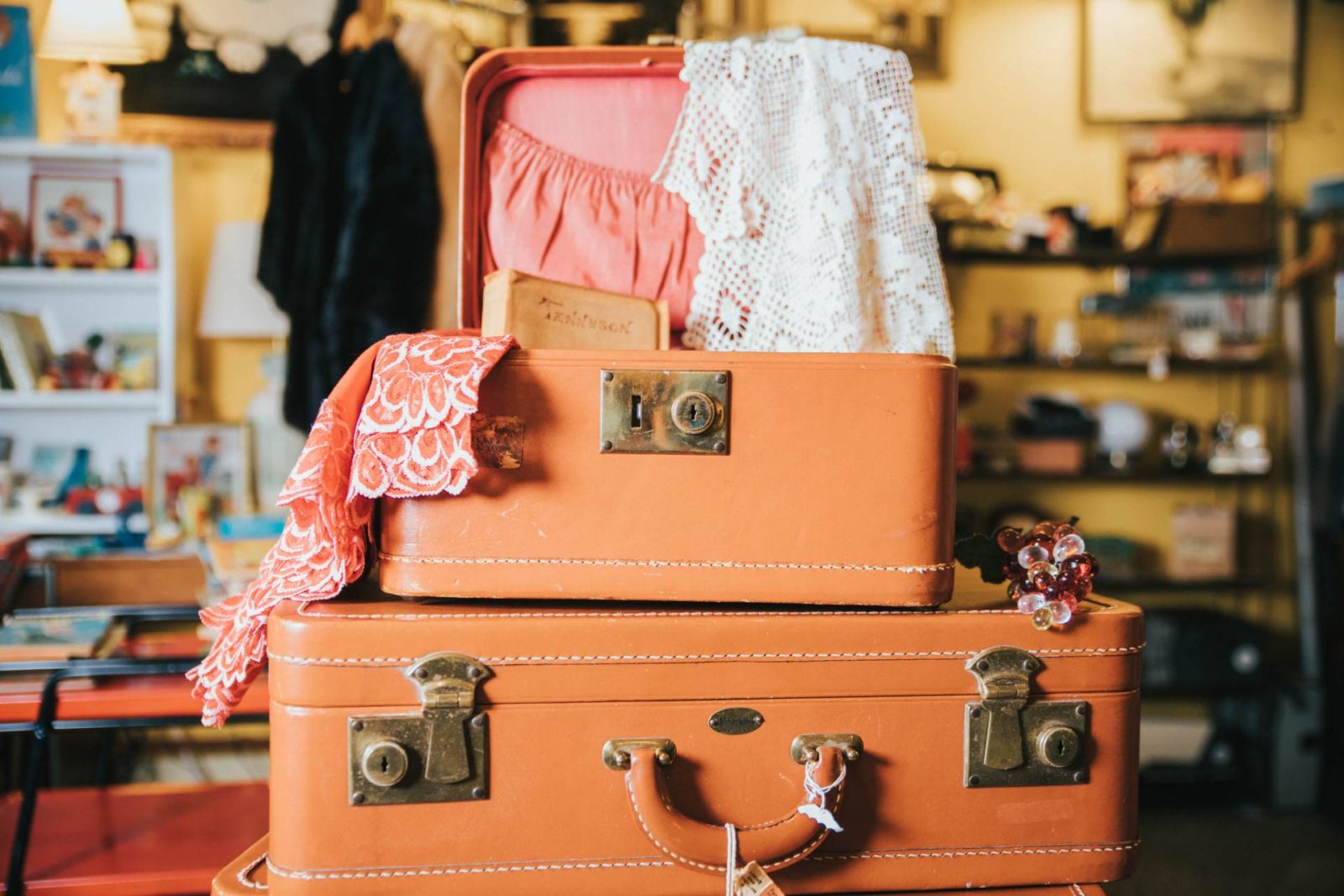
    mini brown opened suit case on large suit case

    1. Choose a family-friendly destination

    It is important to think about your holiday destination carefully. You don’t want to pick somewhere that is going to be unbearably hot or have nothing to keep the kids entertained. Do your research and find a destination that is family-friendly and will suit everyone. You also need to consider how far you are willing to travel. If it’s your first family holiday, then it might be a good idea to choose a destination closer to home, rather than picking somewhere that will require a 14-hour flight to get to. Family travel blog, Away with the kids, has some fantastic ideas for family-friendly destinations in the UK and abroad.

    2. Pick accommodation wisely

    Once you have a destination in mind, you need to find the perfect accommodation for your family. All-inclusive resorts tend to be a great option for families as everything you need is right there, so you don’t need to worry about finding suitable restaurants, or leaving the complex if you don’t want to. Alternatively, if you want the freedom to cook your own meals, then look for self-catering apartments or a villa with kitchen facilities. Remember that it is always a good idea to book your accommodation well in advance, and check price comparison websites to find the best deals.

    3. Relax and de-stress

    There is a lot of planning that goes into arranging your first family trip, and you don’t want to go away feeling stressed. For that reason, it’s a good idea to take some time to relax and unwind before you head off. Check out some of the luxurious treatments on offer at Envoguecentres.co.uk. Here, you can enjoy a relaxing massage, or indulge in some incredible anti-ageing beauty treatments, so that you feel refreshed and rejuvenated before your holiday.

    4. Keep children entertained

    Remember that children are likely to get bored on long trips, and this can quickly lead to tantrums! Keep boredom at bay by packing lots of fun activities like colouring books, toys, audiobooks, or download games and films onto an iPad. It is also a good idea to pack lots of snacks to keep children’s energy levels up. Some healthy snack choices include crackers, dried fruit, and nuts, or individually wrapped cheeses.

    5. Think about what to pack

    Don’t forget that packing for a holiday with children, is a lot different from packing for a holiday without them. With children, you will probably need to pack a lot more items, especially if you are bringing a baby. Think carefully about what you need to bring and make a packing checklist so you don’t forget anything. It is also a good idea to keep all important travel documents including passports, boarding passes, and booking forms stored safely in a separate wallet, so you can access them easily.

    Disclosure: This is a collaborative post.


  • How to prove you weren’t at fault for a car accident

    How to prove you weren’t at fault for a car accident

    It can happen to anyone at any time. You’re driving along, minding your own business, being vigilant
    and wary of other road users, then suddenly you hear a loud bang, you’re sent skidding across the
    tarmac and you’re in a lot of pain. You’ve just been involved in a car accident.

    roadscape
    Not only is being involved in a car crash incredibly traumatising, but it can also be made worse when
    the driver who was at fault decides to place the blame on you. Talk about adding insult to injury…so
    now, not only do you have to deal with hefty medical bills, time off work, getting your car repaired etc. You have to prove your innocence and ensure you get the justice you deserve!

    This is when most victims reach out to a personal injury lawyer. After a crash, hiring a lawyer just
    makes sense. But, how can you prove that you weren’t to blame? Here we’ll look at how it’s possible
    to prove that you weren’t at fault after a car accident.

    Camera footage

    We live in a digitised world, which means that you’ll find cameras everywhere. And in scenarios like this, camera footage of the accident can prove you weren’t to blame. Your own dashcam footage or even the footage from someone else’s vehicle could add weight to your claim. Even CCTV outside
    shops and other properties or even cameras set up along the roadside.

    Witness statements

    It might be your word against theirs. But if there were witnesses of the crash, they may be able to
    add some much-needed clarity. This is why it’s important to gather names and contact details of
    anyone who may have seen what happened. This could be pedestrians or other road users.

    The police report

    After the crash, the police should have been called so they could attend the scene. In doing so
    they’re able to piece together a report of what they think probably happened and who they believe
    was at fault. If your statement is backed up by the information gathered in the police report then
    you’re more likely to be proven innocent and be able to pursue a personal injury claim.

    Evidence from the scene

    As mentioned above, gathering evidence from the scene such as witness testimonies can help your
    cause. But you can also gather other evidence to help. Videos or photographs of the scene and the
    injuries. The positioning of the vehicles when they came to a halt. The road conditions and even the weather can all help prove your innocence.

    Disclosure: This is a collaborative guest post.

  • Smart Ways to Create a Safer Family Home

    Smart Ways to Create a Safer Family Home

    You can’t be prepared for every eventuality and calamity, but you can reduce your exposure to threats. All homes are different, and risks come in a variety of forms, so it sometimes takes a little forward planning if you’re committed to keeping your living space safe from danger. If you want to protect your family, your property, and your peace of mind, then here are the three best areas to focus on in order to ensure that your home is as safe and secure as possible. You might be surprised by some of the threats your property faces, but by being aware of them, you make it far easier to mount your defences.

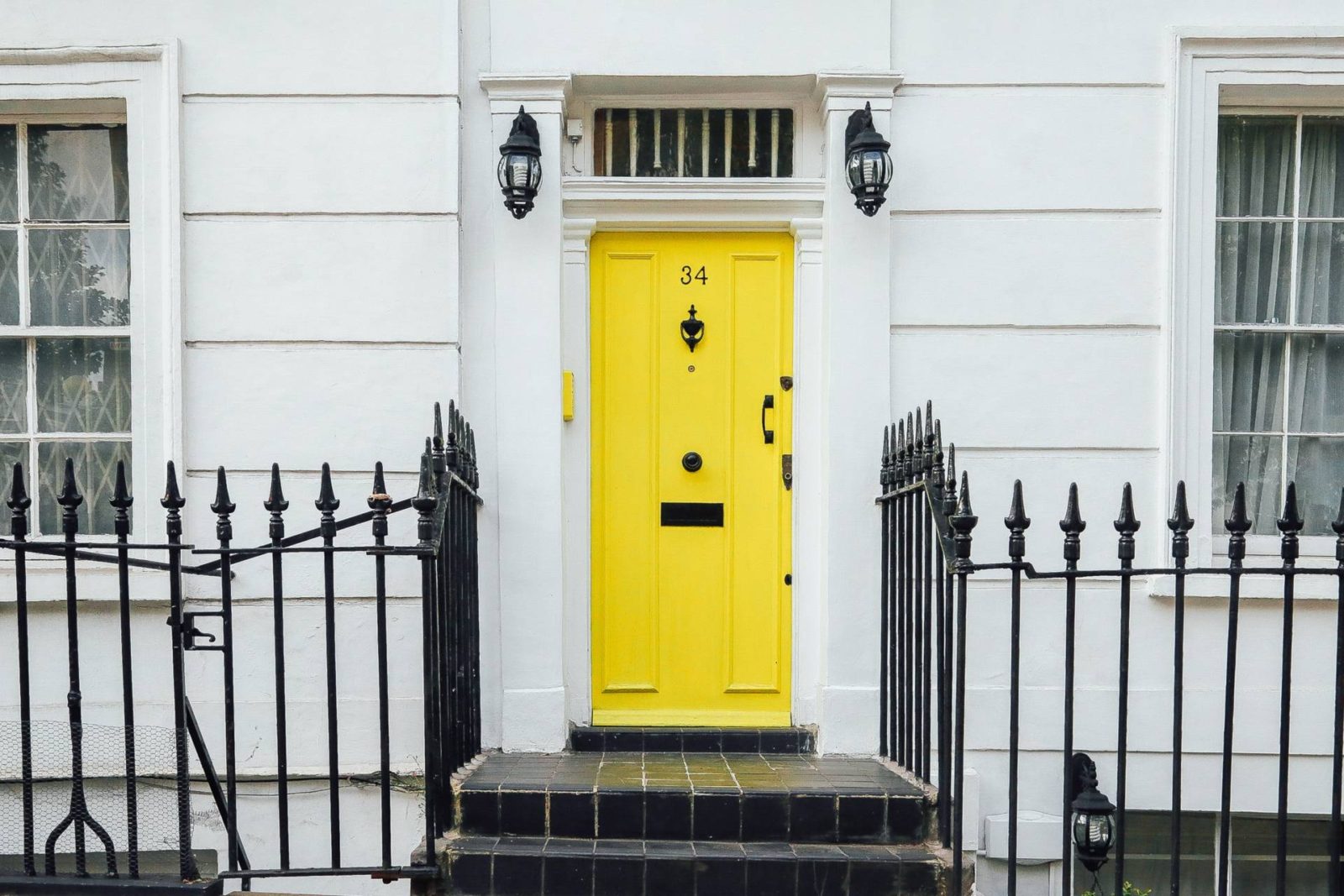
    closed yellow door

    Tackle Mould

    Mould is frighteningly dangerous, and it can be tricky to get rid of once it settles. Mould can cause serious lung conditions, including asthma, so make sure that you do the following:


    • Use humidifiers: You want to reduce humidity in your home as much as possible, and there are a variety of dehumidifiers available in a wide range of prices.


    • Ventilation: Make sure that ventilation is clean and clear, especially in high-risk areas like the bathroom. Open windows can be more effective than you might think.


    • Repaint: Next time that you decide to give your home a fresh lick of paint, make sure that you use some inexpensive mould inhibitor. You mix this into the paint of your choice, and it can help reduce the potential for mould.


    • Carpet care: Keep your carpets clean as much as possible, and if you have the option, make sure that there are no carpets in high-risk spaces like the bathroom or kitchen.


    Even if you’re not allergic to mould, it can be unsightly, create a bad smell, and even mild exposure can have negative effects on your eyes, nose, throat, and lungs.


    Tackling Crime

    No home is ever going to be completely and utterly risk-free when it comes to criminals. However, there are some simple ways to make it much harder for them. No matter how sedate your neighbourhood is, here are some of the best security steps to take.


    • Spare Keys: Don’t leave spare keys outside the front door, and certainly never under the doormat. Even novelty security items like fake rocks are easily identifiable by criminals, so leave an emergency key with neighbours rather than unattended outside.


    • Social Oversharing: Don’t let criminals know when you aren’t going to be at home. Social media is a great resource for burglars who love it when people announce their holiday plans.


    • Hire Professionals: There are some great teams available who can give your home complete security and fire safety overhaul. Getting professional advice about any aspect of your property is always smart, but when it comes to keeping everyone safe, look at firms like Twenty-4 and give your home the professional security boost it needs.


    Hidden Dangers

    Slips, trips, and falls can happen at any time. Your home is likely to be a potential obstacle course of risks, but it might be much easier than you think to cut those risks down and reduce the threat of falling for you, your family, or any visitors.


    • No-Slip: There are some obvious parts of your home that will need tackling first. Stairways and stepsshould be finished with some anti-slip tape, especially if you have concrete steps in the garden.


    • Handrail Checks: It’s easy to overlook handrails, but they can become loose over time. It’s always worth taking five minutes out of your day to tighten up the wall fittings in order to avoid those rails coming away from the wall unexpectedly.


    The more that you can make your home into a safe haven, the more that you’ll be able to relax. When it comes to selling your home, having these safety features highlighted might even mean that you can set a higher asking price. Always prioritise ongoing home safety and you and your loved ones will be able to rest much more easily.


    Disclosure: This is a collaborative post.